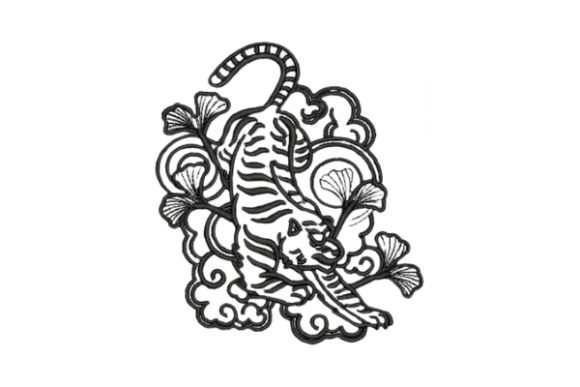
Rose Tattoo: A Designer’s Review for Personalized Gifts
As an embroidery designer who has spent years testing digital files against the realities of thread, fabric, and customer expectations, I approach every new machine embroidery design with a critical eye. When I first loaded the Rose Tattoo file into my software, I was looking for more than just aesthetic appeal; I was evaluating its viability as a core product for a personalized gift shop. This design, categorized under Bouquets within the broader world of Embroidery, promises to be a cool addition to any garment, but does it hold up under the scrutiny of professional production? After running several test stitches and planning mockups for various client scenarios, I am ready to share my practical insights on how this design performs in a real-world small business setting.
First Impressions: Mood and Emotional Appeal
The immediate impression of Rose Tattoo is one of understated elegance mixed with a modern edge. Unlike traditional floral motifs that can sometimes feel overly sweet or dated, this design carries a contemporary charm. It feels romantic yet grounded, making it versatile enough for a wide demographic. For a personalized gift, emotional connection is paramount. This design evokes feelings of love, remembrance, and timeless beauty without being cliché. The detail level is significant enough to look high-end but not so dense that it becomes stiff or heavy on the fabric. It strikes a balance that feels distinctly handmade, offering that warm, artisanal touch that buyers crave when shopping for unique items.
Versatility Across Product Lines
One of the strongest assets of Rose Tattoo is its adaptability. In my review, I visualized this design across several key product categories that drive revenue for Etsy sellers and small shop owners.
- Baby Embroidery: While roses are often associated with adult gifts, a scaled-down version of this design works beautifully on baby blankets or nursery decor. It adds a soft, classic touch to heirloom-quality items.
- Wedding Gift Keepsakes: For bridal showers or wedding presents, this design shines on embroidered towels and pillow covers. It serves as a sophisticated motif that complements the romantic theme of weddings without overpowering other decorative elements.
- Everyday Carry Items: Custom tote bags and aprons benefit greatly from this design. The "tattoo" style suggests permanence and personal identity, making it ideal for customers who want to express their personality through everyday accessories.
- Home Decor: On cushion covers or wall hangings, the design acts as a focal point. Its structure holds up well on heavier home decor fabrics, providing a polished look that enhances interior styling.
For those creating a handmade product line, having a single digital embroidery file that can be applied to such a diverse range of items simplifies inventory management and marketing. You can create cohesive collections, such as a "Romantic Home" series featuring matching pillows and towels, or a "Personal Style" series with bags and apparel.
Technical Considerations and Fabric Challenges
While the aesthetic is strong, the technical execution requires careful attention. As a designer, I always advise checking specific details before committing to a large batch of customer orders. Since the product description notes that this machine embroidery design comes with multiple embroidery file formats, it is compatible with various machines. However, you must confirm the hoop size requirements for your specific machine model to ensure the design fits without resizing, which can distort stitch paths.
Fabric texture plays a crucial role in the final outcome. On smooth cottons or linens, the details of the rose will pop clearly. However, on textured fabrics like thick terry cloth for an embroidered towel, some finer details might get lost. In such cases, using a cut-away stabilizer is essential to prevent puckering and provide a stable base for the stitches. For stretchy baby clothes, a combination of cut-away stabilizer and proper hooping technique is non-negotiable to maintain the integrity of the design after washing.
Another critical factor is thread colors. The "tattoo" style often relies on contrast. If you are stitching on dark fabric, ensure you use light or metallic threads to make the design visible. Conversely, on light fabrics, deep reds, burgundies, or even black threads can create that bold, tattoo-like effect. Always run a test on scrap fabric to check stitch density. If the density is too high for lightweight fabrics, it may cause tearing or stiffness. Adjusting tension and using the right needle size can mitigate these issues.
Enhancing Perceived Value and Customer Trust
From a business perspective, Rose Tattoo contributes significantly to perceived value. A well-executed embroidery design signals quality and effort, which justifies higher price points. When customers see a crisp, clean rose stitched onto a pillow cover or a blanket embroidery project, they perceive the item as a premium custom embroidery piece rather than a mass-produced good. This builds trust and encourages repeat business.
For Etsy seller accounts and online storefronts, product photography is key. This design photographs well because of its clear lines and recognizable shape. Creating a printable mockup or staging real-life photos of the finished product on different backgrounds can boost buyer engagement. Showcasing the design on a variety of items—such as a kitchen towel next to fresh flowers or a tote bag in a lifestyle setting—helps customers visualize the product in their own lives.
Practical Steps for Commercial Use
Before listing Rose Tattoo as a small shop product, there are several practical steps to take. First, verify the commercial licensing terms. The description states it can be used for multiple embroidery machines, but you must confirm if the license allows for unlimited physical sales or if there are restrictions. Never assume; always read the license agreement included with the embroidery file.
- Test Stitching: Always stitch out the design on the actual fabric you plan to sell. Check for thread breaks, jumps, or loose ends.
- Color Contrast Check: Create mockups for both light and dark fabrics to offer customers variety.
- Detail Inspection: Examine the small details after stitching. Ensure that the petals and leaves are distinct and not merged due to high density.
- Wash Testing: Wash and dry the test sample to ensure the design holds up to frequent laundering, especially for items like towels and baby clothes.
In conclusion, Rose Tattoo is a robust and versatile addition to any embroidery designer’s library. It bridges the gap between modern style and classic romance, making it an excellent choice for personalized gifts. By paying attention to technical details like stabilizer choice, thread contrast, and fabric suitability, you can transform this digital file into a high-value finished product that delights customers and strengthens your brand’s reputation for quality craftsmanship.