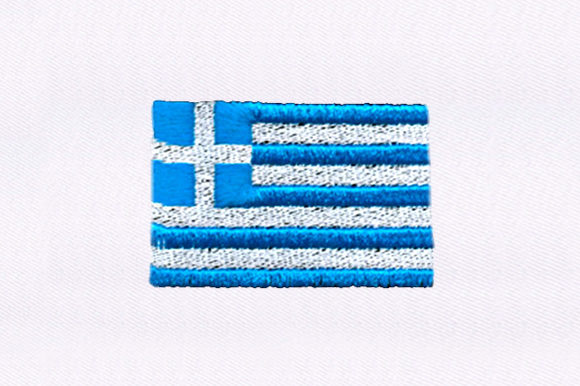
Greek Flag Embroidery: A Designer’s Review for Personalized Gifts
As an embroidery designer who has spent countless hours digitizing and testing patterns, I approach every new machine embroidery design with a critical eye. It is not just about whether the file opens correctly; it is about how that design translates into a tangible, emotional object in someone’s home. Recently, I had the opportunity to test the Greek Flag design, intended for the Independence Day category, and I wanted to share my practical insights for fellow crafters, Etsy sellers, and small business owners looking to expand their personalized gift offerings.
First Impressions: Mood and Emotional Appeal
The first thing that strikes you about the Greek Flag is its classic, timeless appeal. Unlike playful or whimsical motifs, this design carries a sense of heritage, pride, and elegance. The mood is dignified yet warm, making it feel less like a seasonal novelty and more like a cherished family keepsake. For a personalized gift shop, this distinction is crucial. Customers are not just buying a flag; they are buying a connection to their roots, their history, and their identity.
The charm lies in its simplicity. The bold lines and recognizable symbolism translate beautifully into thread, offering a clean, professional look that appeals to a wide demographic. Whether you are targeting baby product creators or wedding gift designers, the emotional weight of this symbol adds immediate perceived value to any handmade product. It feels authentic, which is exactly what modern buyers seek in a saturated market of mass-produced goods.
Versatility Across Product Categories
One of the strongest assets of the Greek Flag is its adaptability. In my testing, I found it performed exceptionally well across various substrates, though each application requires specific attention to detail. Here is how I envision this design fitting into a diverse product line:
- Baby Embroidery: Imagine a soft, white cotton blanket with a small, delicate version of the flag embroidered in the corner. It makes for a stunning baptism gift or a welcome-home present for newborns with Greek heritage. The key here is scaling the design down to ensure it does not overwhelm the tiny garment.
- Kitchen and Home Decor: An embroidered towel featuring this design is a best-seller during summer months and national holidays. The contrast of blue and white thread against crisp linen or terry cloth creates a fresh, Mediterranean aesthetic that fits perfectly in modern kitchens.
- Wedding and Keepsakes: For wedding gift designers, incorporating the flag into a pillow cover or a custom tote bag for the bridal party can add a subtle nod to cultural background without being overpowering. It serves as a beautiful wedding gift that honors family traditions.
- Apparel and Accessories: From aprons to tote bags, the design holds up well on heavier fabrics. It allows Etsy sellers to create cohesive collections that celebrate independence and culture year-round, not just on specific holidays.
Technical Considerations for Professional Results
While the design is visually striking, successful execution depends on technical precision. As a digital embroidery file, it comes in multiple formats including DST, PES, JEF, and EXP, ensuring compatibility with most major machine brands. However, having the right file format is only the beginning. Here are the practical notes from my testing phase:
Fabric and Stabilizer Selection
The choice of fabric texture plays a pivotal role. On smooth cotton or linen, the stitches lay flat and crisp. However, when working with textured towels or thick fleece for blanket embroidery, you must adjust your expectations. I recommend using a cut-away stabilizer for stretchy fabrics like baby clothes to prevent puckering. For woven fabrics like pillow covers, a tear-away stabilizer may suffice, but always test on scrap fabric first.
Thread Color and Contrast
The iconic blue and white palette is non-negotiable for authenticity. When stitching on dark fabric, such as navy or black tote bags, ensure you use a high-quality white thread with good coverage to maintain visibility. Conversely, on light fabrics, a rich, deep blue thread provides the necessary contrast. Always check your thread color contrast before starting the final piece. A poor color match can make the design look muddy or indistinct, reducing the overall quality of the finished product.
Stitch Density and Detail
Review the stitch density carefully. If the design includes fine details or small lettering, these areas are prone to breaking or blending together if the density is too high for the fabric type. I advise zooming in on your software to inspect the stitch path. For smaller applications, such as on baby onesies, ensure the smallest elements are large enough to be stitched cleanly. If the details are too intricate for the chosen hoop size, consider simplifying or resizing the design within your editing software, provided you have the appropriate license.
Challenges and Where to Use Caution
Not every project is suitable for this design. I encountered challenges when attempting to stitch on highly curved surfaces or very stretchy materials without proper hooping techniques. The rigid nature of the flag’s geometry can distort if the fabric shifts. Additionally, products that undergo frequent washing, such as kitchen towels, require secure stitching at the start and end points to prevent unraveling. Always double-check the durability of your thread and the security of your knots.
Another consideration is the scale. Placing a large, complex version of the Greek Flag on a small item like a coaster or a baby bib can look cluttered. It is essential to match the design size to the product dimensions. Use a printable mockup to visualize the proportion before committing to the hoop.
Boosting Giftability and Customer Trust
From a business perspective, the Greek Flag enhances the giftability of your items. It transforms a simple textile into a meaningful artifact. For small shop products, this emotional connection drives buyer engagement. Customers are more likely to share photos of personalized, culturally significant items on social media, providing you with organic marketing.
To maximize this effect, focus on your product photography. Show the texture of the threads, the neatness of the backing, and the item in a lifestyle setting. A well-lit photo of an embroidered towel hanging in a sunny kitchen or a baby wrapped in a flagged blanket tells a story. This visual proof of quality builds customer trust and justifies a higher price point for your custom embroidery work.
Licensing and Commercial Use
Before listing any items for sale, it is imperative to confirm commercial licensing. The provided file formats—ranging from ART to XXX—suggest broad compatibility, but they do not automatically grant permission for mass production. Check the specific terms associated with your purchase. Most designers allow for physical finished goods sales but restrict the resale of the digital file itself. Ensuring you are compliant protects your business and respects the creator’s intellectual property.
In conclusion, the Greek Flag is a versatile, emotionally resonant addition to any embroidery portfolio. With careful attention to stabilizer choice, thread quality, and sizing, it can elevate your personalized gift offerings, appealing to customers seeking both beauty and meaning in their handmade treasures.