Kangaroo Embroidery Design Review for Small Business Merch
As an embroidery designer who has spent years digitizing and testing files for commercial use, I approach every new machine embroidery design with a critical eye. It is not just about whether the image looks cute on a screen; it is about how it performs under the needle, how it holds up after washing, and most importantly, how it elevates a brand’s identity. Recently, I reviewed the Kangaroo design, a single-color silhouette intended for the Wild Animals category. For small business owners, Etsy sellers, and apparel decorators, this file presents a unique set of opportunities and specific technical constraints that must be understood before production.
First Impressions: Minimalist Boldness
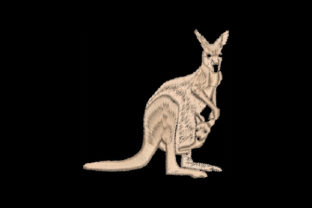
The immediate visual impact of the Kangaroo design is one of modern minimalism. Because the description notes that there is only one color and no stitching in the eye or nose areas, the aesthetic is inherently bold and graphic. This is not a hyper-realistic portrait; it is a symbolic representation. For brands aiming for a clean, premium, or rustic look, this simplicity is a strength. It avoids the clutter that often plagues complex digital embroidery files, making it easier to integrate into a cohesive visual identity.
However, the lack of facial details means the design relies entirely on its outline and posture to convey character. This makes it feel more like a logo mark than a decorative illustration. For handmade brands and creative studios, this distinction is crucial. A logo-like design builds recognition faster than a busy picture. When placed on merchandise, it signals professionalism rather than just decoration.
Commercial Viability and Brand Application
For small business merch, versatility is key. The Kangaroo design shines in applications where space is limited but impact is required. Consider its use as an embroidered patch. Patches are currently a high-demand item for boutique merchandise and customer gifts. Because this design uses a single thread color, it is cost-effective to produce in bulk, allowing for higher profit margins on each finished product.
In the context of custom apparel, this design works exceptionally well for staff uniforms. Imagine a local café or a pet brand outfitting their team with dark polo shirts. The Kangaroo silhouette on the chest or sleeve acts as a subtle yet distinct badge of belonging. It is less intrusive than a large back print but more permanent and prestigious than a printed logo. Similarly, for apron embroidery in bakeries or florists, the single-color approach ensures the design does not compete with the natural textures of the work environment. It remains legible and sharp, even from a distance.
Tote bag design is another strong candidate. Canvas bags have a coarse fabric texture that can sometimes distort fine details. Since the Kangaroo design lacks intricate internal stitching, it withstands the pull of heavy canvas without losing its shape. This makes it an ideal choice for eco-friendly brands looking to add value to their packaging or sell branded carryalls.
Technical Constraints and Fabric Considerations
While the design is described as quick to stitch, experienced embroiderers know that "quick" often comes with caveats. The product description explicitly states that this design is best stitched on dark fabric. This is a critical technical note. Because there is no stitching in the eye or nose areas, those features are defined by negative space—the fabric showing through. If you stitch this on light or white fabric, the facial features will vanish, and the kangaroo may look like an undefined blob. Always test on the intended fabric color before committing to a full production run.
Furthermore, the absence of internal detail means the outline carries all the visual weight. On curved surfaces like cap embroidery, the hoop size and stabilizer choice become paramount. A poor stabilizer can cause puckering along the long curves of the kangaroo’s body. I recommend using a cut-away stabilizer for caps and stretchy fabrics to maintain the integrity of the silhouette. For woven fabrics like twill or denim, a tear-away may suffice, but always test the tension first.
Stitch density is another factor to monitor. Even though it is a single color, if the digitizer has packed the satin stitches too tightly, it could cause fabric distortion on lightweight materials. Conversely, if the density is too low, the fabric might show through the stitching, breaking the solid appearance of the silhouette. Check the stitch count and density settings in your embroidery software before loading the file onto your machine.
Enhancing Brand Identity and Customer Trust
Consistency builds trust. When a customer sees the same crisp, well-executed Kangaroo emblem on a tote bag, a hat, and a product label, it reinforces the perception of a professional operation. Sloppy embroidery, on the other hand, can damage a brand’s reputation instantly. This design’s simplicity makes it easier to achieve consistent results across different items, which is vital for maintaining visual consistency.
For Etsy sellers and crafters, offering items with this design can differentiate your shop. Many competitors use generic clip-art styles that look cheap when stitched. By choosing a design that respects the limitations of the medium—like avoiding tiny, un-stitchable details—you demonstrate an understanding of quality craftsmanship. This resonates with buyers who value handmade products and are willing to pay a premium for durability and aesthetic appeal.
Practical Designer Notes for Production
Before integrating the Kangaroo into your commercial embroidery workflow, follow these practical steps:
- Test on Dark Fabric First: As noted, the design relies on contrast. Verify that the negative space for the eyes and nose reads clearly on your chosen material.
- Check Hoop Size Compatibility: Ensure the design fits within your standard hoop sizes without requiring excessive re-hooping, which can lead to misalignment.
- Create a Printable Mockup: Use design assets to place the Kangaroo silhouette on various product images. This helps clients visualize the final result and aids in approval processes.
- Verify Commercial Licensing: Never assume a digital embroidery file includes commercial rights. Confirm the license terms before selling any finished product featuring this design.
- Evaluate Thread Color Contrast: While single-color, the choice of thread matters. Metallic threads might add a premium feel, while matte cotton offers a rustic vibe. Test both to see which aligns better with your brand identity.
In conclusion, the Kangaroo machine embroidery design is a strategic asset for small businesses that prioritize clean, bold branding. It is not suitable for every application, particularly light-colored garments or items requiring intricate detail. However, for dark uniforms, patches, and sturdy tote bags, it offers a professional, recognizable, and efficient solution. By respecting its technical requirements and leveraging its minimalist strength, you can create high-value merchandise that enhances your brand’s presence in the market.