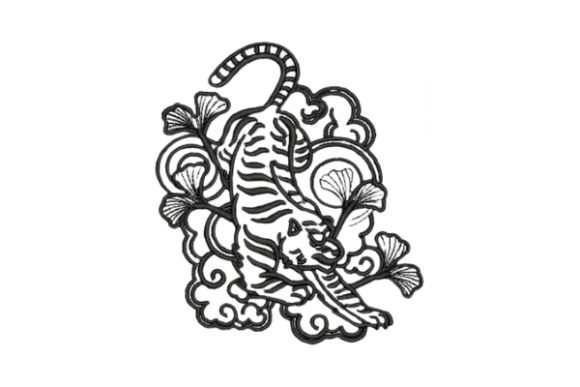
Japanese Style Tattoo: A Designer’s Review
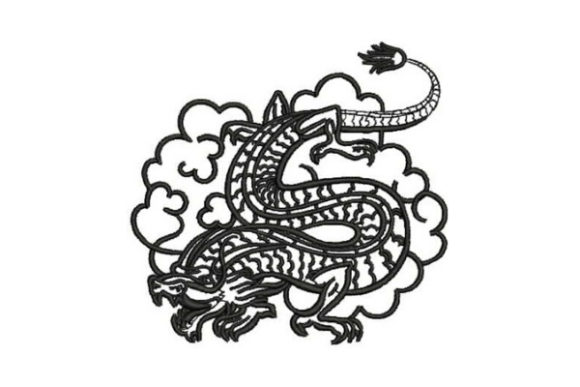
As an embroidery designer who has spent countless hours hooping, stitching, and refining designs for clients, I approach every new machine embroidery design with a critical eye. We are not just looking for pretty pictures; we are looking for viability, durability, and emotional resonance. When I first encountered the Japanese Style Tattoo design on Creative Fabrica, I was immediately drawn to its cultural depth and artistic flair. This is not merely a decorative element; it is a statement piece that bridges traditional Asian aesthetics with modern handmade charm.
For those of us running small shops or creating personalized gifts, finding a design that stands out in a saturated market is crucial. The Japanese Style Tattoo offers a unique visual language that appeals to customers seeking something beyond the typical floral or monogram motifs. It feels elegant, slightly edgy, and deeply rooted in tradition, making it a versatile choice for a wide range of projects.
First Impressions: Visual Softness and Cultural Depth
The immediate appeal of this design lies in its balance. While tattoo art can sometimes appear aggressive or overly dense, this interpretation brings a sense of flow and grace. The lines suggest movement, reminiscent of koi fish swimming upstream or cherry blossoms drifting in the wind. For a handmade product, this translates to a sophisticated look that elevates the perceived quality of the item.
When evaluating the detail level, I look for how well the design will translate from screen to fabric. The Japanese Style Tattoo appears to have a thoughtful arrangement of shapes that should stitch out cleanly without excessive thread breaks, provided the correct settings are used. It feels modern yet classic, suitable for customers who appreciate the artistry of Asia but want a contemporary application in their home decor or wardrobe.
Versatility in Handmade Gifts and Products
One of the strongest assets of this design is its adaptability. As an Etsy seller or craft fair vendor, you need designs that can work across multiple product lines to maximize your return on investment. Here is how I envision using this embroidery file in real-world scenarios:
- Wedding Gifts: Imagine this design embroidered on high-quality linen napkins or a silk robe for a groomsmen gift. It adds a masculine yet refined touch that differs from standard initials.
- Home Decor: A pillow cover featuring this motif can become a focal point in a living room. The intricate details pop against solid-colored fabrics, adding texture and visual interest.
- Tote Bags and Aprons: For the everyday user, stitching this onto a canvas tote or a heavy-duty apron creates a durable, stylish accessory. It appeals to those who love culinary arts or sustainable fashion.
- Nursery Items: While often associated with adult themes, a softened version or smaller scale could work beautifully on a baby blanket for parents who appreciate cultural art forms, adding a unique story to the child’s keepsakes.
The key here is context. By placing the Japanese Style Tattoo on the right fabric, you transform a simple item into a meaningful personalized gift. It speaks to the recipient’s interests, whether they are travelers, art lovers, or fans of traditional craftsmanship.
Practical Concerns for the Embroiderer
Before you rush to list this as a new product, we must address the technical realities of machine embroidery. A beautiful design on screen can become a tangled mess on fabric if not handled correctly. Here are my professional recommendations for working with this type of intricate artwork.
Fabric and Stabilizer Selection
The description notes that the design looks great on any fabric, but as experienced crafters, we know that "any" requires adjustment. For textured towels or thick blankets, you must ensure the needle can penetrate without causing puckering. I recommend using a cut-away stabilizer for stretchy fabrics like baby clothes or jersey knits to maintain the integrity of the stitch-out. For woven fabrics like cotton or linen, a tear-away might suffice, but always test first.
Thread Colors and Contrast
Traditional Japanese tattoos often utilize bold blacks, deep reds, and vibrant greens. However, when creating a handmade product, consider your audience. If you are stitching on dark fabric, ensure you use high-contrast thread colors so the details do not get lost. Conversely, a monochromatic scheme using varying shades of grey or blue can create a subtle, sophisticated look that appeals to minimalist buyers. Always compare thread colors against your fabric swatch before committing to the final piece.
Stitch Density and Detail
Intricate designs can suffer from high stitch density, which may cause the fabric to pucker or the thread to break. Since the specific stitch count is not provided in the brief, it is vital to review the digital embroidery file details on Creative Fabrica. Look for information on density adjustments. If the design is dense, consider using a water-soluble topping on textured fabrics like terry cloth towels to keep the stitches sitting on top of the pile rather than sinking in.
Building Trust and Perceived Quality
Why does the choice of design matter for your business? Because it directly impacts customer trust. A well-executed custom embroidery piece signals professionalism. When a customer receives a wedding gift or a baby item with crisp, clean stitching and a culturally rich design like Japanese Style Tattoo, they perceive higher value. This leads to better reviews, repeat customers, and higher engagement on social media.
Furthermore, this design lends itself well to product photography. The distinct lines and cultural references make for striking images that stop the scroll on Instagram or Pinterest. Use these visuals to tell a story about the inspiration behind the piece, connecting emotionally with buyers who value authenticity and craftsmanship.
Essential Pre-Production Steps
To ensure your finished product meets professional standards, follow this checklist before selling:
- Create a Test Stitch-Out: Never skip this step. Stitch the design on a scrap piece of the exact fabric you intend to use for the final product.
- Check Small Details: After stitching, inspect the fine lines. Are they clear? Do they connect properly? If not, adjust your tension or stabilizer.
- Confirm Hoop Size: Ensure the design fits within your machine’s hoop capabilities. The product description mentions multiple embroidery files, so check which size corresponds to your equipment.
- Review Licensing: Always check the license terms on Creative Fabrica. Understand if you can sell the finished physical products and if there are any restrictions on digital redistribution.
- Wash Testing: Wash your test piece to ensure the threads do not bleed and the design remains intact. This is crucial for items like embroidered towels or baby clothes that require frequent laundering.
In conclusion, the Japanese Style Tattoo is more than just a pattern; it is an opportunity to create distinctive, high-value items for your shop. Whether you are making a cozy blanket, a chic tote, or a memorable wedding gift, this design offers the artistic depth and versatility needed to stand out. By paying attention to technical details and focusing on quality presentation, you can turn this embroidery file into a bestseller for your small business.