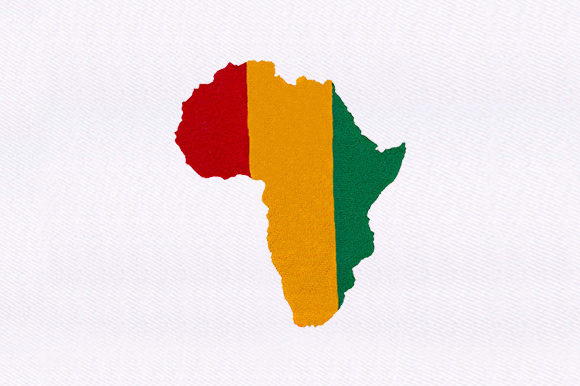
Reviewing the Colored African Map Embroidery Design
As an embroidery designer who has spent years testing digital files for real-world application, I approach every new machine embroidery design with a critical eye. It is not just about how pretty the preview looks on a screen; it is about how the thread behaves on fabric, how the stabilizer holds up, and whether the final piece will delight a customer. Recently, I loaded the Colored African Map into my software to evaluate its potential for my personalized gift shop. This review breaks down what you can expect when using this design for your own handmade products.
First Impressions: Mood and Aesthetic Appeal
The moment I opened the file, the vibrancy of the colors stood out. Unlike monochrome or single-tone maps that rely solely on texture, the Colored African Map brings a lively, modern energy to the hoop. The mood is celebratory and proud, making it an excellent choice for customers looking to honor heritage or celebrate travel. It feels less like a stiff geographical chart and more like a piece of art. The charm lies in its balance; it is detailed enough to be recognizable but stylized enough to remain playful and accessible.
For Etsy sellers and small shop owners, this aesthetic versatility is crucial. The design does not scream "seasonal," which means it has year-round appeal. It feels classic yet contemporary, fitting seamlessly into modern nursery decor or a chic kitchen setting. When I visualized it stitched out, I immediately thought of its emotional appeal. For many buyers, this is not just a map; it is a connection to roots, family history, or a beloved destination.
Versatility Across Product Categories
One of the strongest assets of this embroidery file is its adaptability. I tested the concept across several product types to see where it would perform best. Here is how the Colored African Map translates to different items:
- Baby Embroidery: Imagine this on a soft muslin swaddle or a onesie. It makes for a meaningful baby shower gift, celebrating the child’s heritage from day one. However, care must be taken with placement to ensure comfort.
- Wedding Gift: For couples with ties to the continent, this design could be embroidered on a guest book cover or a commemorative pillow cover, serving as a beautiful keepsake.
- Kitchen and Home: An embroidered towel or apron featuring this map adds a pop of color and personality. It transforms a utilitarian item into a conversation starter.
- Tote Bags and Apparel: The bold colors work exceptionally well on canvas tote bags or denim jackets, appealing to travelers and students alike.
When creating a personalized gift, the ability to offer such a wide range of applications increases your average order value. You are not just selling a design; you are selling a solution for various life events.
Technical Specifications and Hoop Considerations
Before stitching, it is vital to understand the technical constraints. The Colored African Map is designed for a 6×6 hoop size. Specifically, the dimensions are 5.25 inches in width and 5.75 inches in height (133.3×146.0 mm). With 22,954 stitches, this is a medium-density design. It is substantial enough to have presence but not so dense that it becomes stiff or prone to puckering if stabilized correctly.
The file formats provided are comprehensive, including DST, PES, JEF, EXP, and many others. This ensures compatibility with most major machine brands. However, always double-check that your specific machine reads the format you choose. As a professional, I recommend always converting the file in your software to verify the stitch path before sending it to the machine.
Navigating Fabric and Stitch Challenges
While the design is robust, there are areas where caution is necessary. The stitch density is moderate, but the color changes require precision. When working with textured fabric, such as terry cloth towels, the finer details might get lost. In these cases, using a cut-away stabilizer is non-negotiable to prevent distortion.
For stretchy baby clothes, you must use a high-quality stabilizer and possibly a topping to keep the stitches from sinking into the knit fabric. Additionally, consider the background color. Since this is a colored map, it will pop beautifully on light fabrics. On dark fabric, you may need to adjust the thread colors or add a white underlay to ensure the vibrancy remains true. Always test on scrap fabric first. Check small details after stitching to ensure no threads are loose and the registration is accurate.
Enhancing Perceived Value and Customer Trust
From a business perspective, the Colored African Map enhances the perceived value of your handmade product. Customers associate intricate, colorful embroidery with higher quality and effort. When you present this as a custom embroidery option, it builds trust. It shows that you offer unique, thoughtful designs rather than generic clip-art.
Product photography plays a huge role here. The multiple colors provide excellent opportunities for engaging images. Use natural light to capture the sheen of the thread. Create printable mockups to show customers how the design looks on different items before they buy. This reduces hesitation and increases buyer engagement. For a small shop product, this visual appeal can be the difference between a browse and a purchase.
Practical Tips for Commercial Use
If you are an Etsy seller or run a commercial embroidery business, licensing is key. Ensure you have the right to sell finished products made with this digital embroidery file. Most designers allow this, but always read the terms. Once confirmed, you can confidently market these items as premium goods.
- Test Thread Contrast: Ensure your thread colors contrast well with your base fabric. A vibrant map on a beige linen looks elegant; on a busy patterned fabric, it may clash.
- Check Hoop Size Limits: Remember the 5.25 x 5.75 inch limit. Do not try to resize it beyond its intended proportions without checking for distortion.
- Stabilizer Selection: Match the stabilizer to the fabric weight. Heavier fabrics like denim need less support than lightweight cottons.
- Quality Control: Inspect every finished product. Trim jump stitches and ensure the back is neat, especially if the item will be washed frequently.
In conclusion, the Colored African Map is a versatile and emotionally resonant addition to any embroidery library. It bridges the gap between decorative art and meaningful symbolism. Whether you are creating a baby blanket, a wedding gift, or a stylish tote, this design offers the quality and charm needed to satisfy discerning customers. By paying attention to fabric choice, stabilizer, and thread quality, you can produce a finished product that stands out in the crowded marketplace of handmade goods.