Celtic Circle Embroidery: A Designer’s Review
As an embroidery designer who has spent countless hours digitizing and stitching out thousands of designs, I approach every new download with a critical eye. We all know that not every machine embroidery design found online translates well to actual fabric. Some look stunning in digital previews but turn into thread nests on the hoop. Recently, I evaluated Celtic Circle from the Around The World category on Creative Fabrica to determine if it holds up for real-world commercial projects. This review is based on my professional assessment of its structure, versatility, and potential for handmade business growth.
First Impressions and Visual Appeal
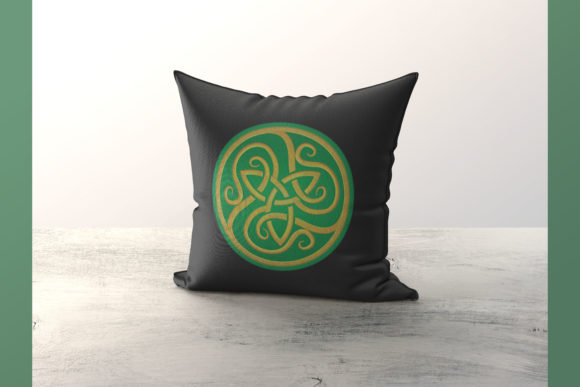
The first thing that strikes you about Celtic Circle is its timeless aesthetic. Celtic knots are notoriously difficult to digitize because they require clean, continuous lines to maintain the illusion of interwoven paths. A poorly digitized knot looks messy, with jumps breaking the visual flow. From the preview images, this design appears to respect the integrity of the traditional motif. It offers a high-quality look that feels both ancient and modern, making it suitable for a wide demographic of buyers.
The design is described as being digitized by hand, which is a significant plus. Automated digitizing software often struggles with the complex overlaps in Celtic art, resulting in excessive stitch counts or poor pull compensation. Hand-digitized files typically offer better stitch placement and smoother transitions. For those of us selling finished products, the visual mood of this piece is calm, structured, and sophisticated. It does not scream "cheap souvenir"; instead, it suggests craftsmanship and attention to detail.
Versatility Across Product Lines
One of the strongest selling points of Celtic Circle is its adaptability. The product description notes that it is available in six sizes. This scalability is crucial for small business owners who need to maximize their return on investment from a single digital embroidery file. Here is how I envision using this design across different product categories:
- Custom Apparel: The medium to large sizes would work beautifully on the back of a denim jacket or the chest of a heavy cotton sweatshirt. The geometric nature of the circle provides a balanced focal point that appeals to both men and women.
- Home Decor: For pillow covers or tote bags, the design’s symmetry allows it to sit perfectly in the center of a square hoop. It adds a touch of heritage charm to neutral linen or canvas fabrics.
- Accessories and Patches: The smaller sizes are ideal for embroidered patches or caps. A Celtic knot on a structured cap brim or as a standalone patch can elevate a basic item into a boutique merchandise piece.
- Seasonal Gifts: This design fits naturally into St. Patrick’s Day collections, wedding gift guides (symbolizing eternity), or general heritage-themed product lines.
Whether you are creating a personalized gift for a client or stocking your Etsy shop with ready-to-ship items, the flexibility of having six size options means you are not limited to one type of substrate. You can scale it down for a delicate baby blanket corner or scale it up for a bold statement on a wall hanging.
Technical Considerations for Stitching
While the aesthetic is promising, any experienced embroiderer knows that technical execution is where designs succeed or fail. Since the specific stitch count and exact file formats are not detailed in the brief description, I must advise checking the full product page on Creative Fabrica before purchasing. However, based on the nature of Celtic designs, there are several practical factors to consider.
Stitch Density and Fabric Choice: Celtic knots often involve overlapping lines. If the digitizer has used too many fill stitches in these overlap areas, the fabric may pucker or become stiff. I recommend testing this design on a scrap piece of fabric similar to your final product. If you are stitching on stretchy fabric like a t-shirt or sweatshirt, using a high-quality cut stabilizer is non-negotiable to prevent distortion. For woven fabrics like aprons or kitchen towels, a tear-away stabilizer might suffice, but always test first.
Thread Color Contrast: To make the intricate details of the knotwork pop, thread color selection is vital. On dark fabrics, consider using metallic or high-sheen rayon threads to catch the light. On light fabrics, a matte cotton thread can provide a subtle, textured look. Because the design relies on line work rather than solid blocks of color, ensure your machine tension is calibrated correctly to avoid gaps in satin or running stitches.
Hoop Size and Placement: With six sizes available, you must match the file to your hoop. Do not attempt to resize the design significantly beyond its intended dimensions, as this can alter stitch density and cause thread breaks. If you are stitching on curved surfaces like caps, use the smallest size that still retains legibility to minimize hooping difficulties.
Commercial Value and Brand Consistency
For creative entrepreneurs, the value of a design lies not just in its beauty, but in its ability to sell. Celtic Circle offers a classic look that does not trend out quickly. Unlike novelty designs that may feel dated in a year, Celtic motifs have enduring appeal. This longevity supports brand consistency, allowing you to build a cohesive collection of heritage-inspired goods.
When photographing your finished product, this design lends itself well to minimalist styling. The circular shape draws the eye, making it an excellent subject for close-up shots on social media. High-quality stitching of this design can enhance buyer trust, showing that you invest in premium design assets and care about the finish of your handmade product. It elevates the perceived value of simple items like tote bags or plain tees, allowing for higher price points.
Final Verdict and Best Practices
Is Celtic Circle worth adding to your library? For designers looking for a reliable, versatile motif that fits within the Around The World theme, yes. It offers the flexibility needed for diverse applications, from commercial embroidery on apparel to delicate handmade gifts. However, success depends on proper preparation.
- Verify File Details: Before downloading, confirm the included file formats match your machine (e.g., PES, DST, JEF). Check the license terms on Creative Fabrica to ensure commercial use is permitted for physical finished goods.
- Test Stitch Out: Always run a test on scrap fabric. Check for thread breaks, puckering, or registration issues in the tight corners of the knot.
- Optimize Stabilization: Match your stabilizer to your fabric weight. Dense areas may require additional support.
- Inspect Small Details: After stitching, inspect the underlay and top stitches. Ensure the interlacing effect is clear and not muddled by excessive thread buildup.
In conclusion, Celtic Circle appears to be a solid addition to any embroidery designer’s toolkit. It balances artistic tradition with practical usability. By taking the time to test and refine your stitching process, you can transform this digital file into a high-value tangible product that resonates with customers seeking quality and meaning in their purchases.