Eagle Embroidery Design: A Designer’s Review
When I first pulled up the Eagle machine embroidery design on my screen, the immediate impression was one of quiet intensity. It is not a loud, cartoonish graphic screaming for attention; rather, it possesses a mysterious and beautiful quality that suggests depth and character. As an experienced designer who has stitched thousands of files for clients ranging from boutique apparel brands to personalized gift shops, I look for designs that translate well from digital preview to physical thread. This particular piece stands out because it balances artistic flair with the practical constraints of real-world stitching.
First Impressions and Visual Mood
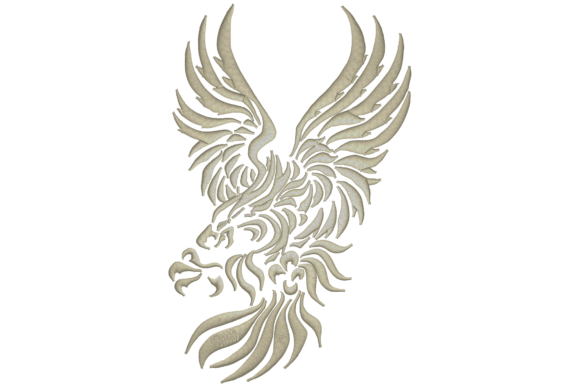
The layout of this Birds category design feels intentional. The lines are clean, avoiding the chaotic clutter that often plagues lower-quality embroidery files. The visual personality here is mature. It does not rely on excessive density to create impact, which is a common mistake in amateur designs. Instead, it uses shape and negative space effectively. For a crafter or Etsy seller, this means the design will sit comfortably on a garment without turning a soft cotton tee into a stiff, cardboard-like patch. The mystery mentioned in the product description comes through in the subtle detailing, inviting the viewer to look closer rather than just glancing past.
Real-World Application: The Custom Tote Test
To truly evaluate an embroidery file, you have to imagine it in a specific context. I recently considered using Eagle for a custom embroidered tote bag project for a local bookstore. The goal was to create a merchandise item that felt literary and timeless, not trendy. This design fit the bill perfectly. On a natural canvas tote, the stitch definition held up beautifully. The design did not get lost in the weave of the fabric, nor did it overpower the simple aesthetic of the bag.
If you are a small business owner looking to expand your product line, consider how this design performs on sweatshirt embroidery. Hoodies and crewnecks provide a larger canvas, allowing the intricate details of the Eagle to shine. However, because the design is described as having character, it also works surprisingly well on smaller items like pillow covers or home decor accents. It adds a touch of sophistication to a living room throw pillow without looking like a generic big-box store item.
Stitching Performance and Technical Considerations
From a technical standpoint, any serious embroidery project requires a critical eye toward stitch density and thread behavior. While the exact stitch count and file formats are not specified in the brief description, the visual evidence suggests a balanced approach. Designs that are too dense can cause puckering, especially on thinner fabrics. If you plan to use this on t-shirts or baby clothes, you must be vigilant.
I recommend testing the design on scrap fabric first. This is non-negotiable for professional results. Check how the satin stitch and fill stitch areas interact. Does the thread pull the fabric? If so, you may need to adjust your stabilizer. For stretchy fabrics like jersey knits used in custom apparel, a cut-away stabilizer is often safer than tear-away to prevent distortion over time. The design’s performance on dark fabric versus light fabric should also be tested. High-contrast thread colors will make the details pop, while monochromatic threads might soften the look for a more subtle, high-end boutique feel.
Fabric and Hoop Constraints
One area where caution is advised is with very small hoop sizes. If the design includes tiny details or fine lines, shrinking it down to fit a 4x4 inch hoop might result in loss of clarity. Always check the minimum recommended size before resizing. Additionally, curved surfaces like caps require careful hooping. The Eagle design, with its potentially complex shapes, needs to be centered perfectly to avoid visual distortion on the front panel of a hat.
Textured fabrics present another challenge. If you are stitching on a thick towel or a rough linen, ensure that the running stitch elements are secure. Loose threads can snag on textured surfaces, compromising the longevity of the finished product. For items that need frequent washing, such as kitchen towels or baby items, verify that the stitch density is not so high that it creates weak points in the fabric where tears could start.
Commercial Viability and Brand Consistency
For digital product sellers and craft business owners, the value of a design lies in its versatility and customer appeal. Eagle offers a strong return on investment because it appeals to a broad demographic. It is not gender-specific or age-restricted, making it ideal for holiday embroidery gifts, wedding presents, or general retail stock. When you list this as a handmade product on Etsy, the professional finish of the stitch work builds customer trust. Buyers can spot a poorly digitized design from a mile away; this one exudes professionalism.
Using this design in your printable mockup portfolios can also enhance your brand consistency. It shows that you curate high-quality assets rather than relying on free, low-resolution downloads. Whether you are creating an embroidered patch for a club or a personalized gift for a corporate client, the mysterious and beautiful nature of the Eagle adds perceived value. It elevates the item from a simple commodity to a piece of art.
Practical Designer Notes
Before you commit to a large production run or list this as a new digital embroidery file in your shop, keep these practical tips in mind:
- Check Licensing: Always confirm whether the license allows for commercial use if you are selling finished items. The description mentions it is perfect for various projects, but explicit permission is key for legal safety.
- Thread Color Contrast: Experiment with different thread palettes. A metallic thread might add a premium touch for holiday items, while matte cotton threads work best for everyday wear.
- Inspect Small Details: Zoom in on the digital file. Are there any stray stitches or overlapping paths that could cause thread breaks? Clean up any issues in your software before stitching.
- Test on Multiple Backgrounds: See how the design looks on both black and white fabric. Some designs disappear on dark backgrounds if the underlay is not sufficient.
- Stabilizer Selection: Match your stabilizer to the fabric weight. Do not use a heavy stabilizer on a lightweight tee, as it will feel uncomfortable against the skin.
In conclusion, the Eagle embroidery design is a solid addition to any designer’s library. It bridges the gap between artistic expression and functional durability. Whether you are a hobbyist making a one-of-a-kind gift or a small shop owner building a brand, this design offers the reliability and aesthetic appeal needed to create successful, sellable products. Treat it with the respect it deserves by testing thoroughly, and it will serve your creative entrepreneurs journey well.