Shimeji Mushroom: A Designer’s Review
When I first pulled up the Shimeji Mushroom design on my screen, I wasn’t looking for complexity. I was looking for charm. In the world of machine embroidery, there is a distinct difference between a design that looks good in a digital preview and one that actually translates well onto fabric. As an experienced designer who has spent countless hours hooping everything from delicate baby onesies to heavy canvas tote bags, I approach every new embroidery file with a critical eye. This particular design caught my attention not because it was flashy, but because it felt grounded, organic, and perfectly suited for the current trend of cottagecore and nature-inspired aesthetics.
First Impressions and Visual Personality
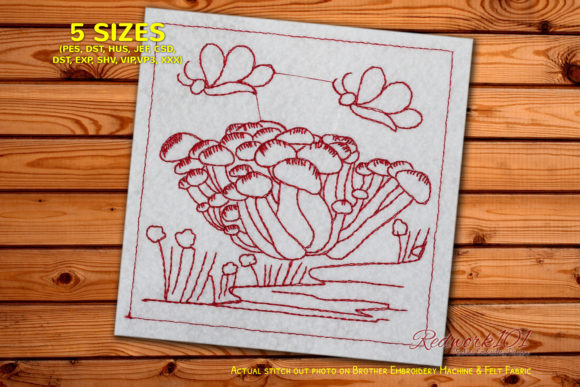
The immediate mood this design creates is cozy. Shimeji mushrooms are small, clustered, and often associated with comfort food, which makes them an ideal subject for Food themed Embroidery. The layout feels balanced, avoiding the common pitfall of overcrowding small details that can turn into a messy blob once stitched out. What stands out most is the potential for texture. Mushrooms have a natural softness, and a well-digitized design should reflect that through thoughtful stitch placement rather than just flat color blocks.
I noticed the note regarding the optional Box Stitch. This is a crucial detail for any craft business owner or hobbyist. The description mentions that the outer box color is often different in most designs unless it is part of the design itself, and you can skip the color directly if desired. This flexibility is a huge plus. It means the design can stand alone as a floating motif or be framed for a more structured look, depending on the product you are creating. For a personalized gift, this adaptability allows you to match the frame to the recipient's style without being locked into a rigid border.
Real-World Application: The Tote Bag Test
To truly evaluate a design, I mentally place it on a real product. Let’s say I am preparing a custom order for a local farmer’s market vendor who sells organic produce. She wants a set of reusable tote bag design options that feel earthy and artisanal. The Shimeji Mushroom fits this brief perfectly. Imagine it stitched on the corner of a natural cotton canvas bag. The earthy tones of the mushroom cap against the neutral fabric create an instant visual connection to nature.
In this scenario, the design performs well because it doesn’t require excessive coverage. A massive, dense fill stitch would make the bag stiff and uncomfortable to carry. Instead, this design likely relies on a mix of satin stitch for the outlines and lighter fill stitch areas for the caps, keeping the hand-feel soft. For an Etsy seller, this is vital. Customers want items that look handmade and high-quality, not industrial and stiff. The visual appeal here drives customer trust; it looks like something a careful artisan made, not a mass-produced stamp.
Performance on Different Fabrics and Items
Beyond tote bags, where else does this design shine? I see it working beautifully on sweatshirt embroidery. A small cluster of shimeji mushrooms on the left chest of a cream or sage green crewneck adds a subtle touch of personality. It’s understated enough for daily wear but unique enough to spark conversation. However, when moving to stretchy fabrics like jersey knits, you must be mindful of stitch density. If the design is too dense, it will pucker the fabric. Always use a proper stabilizer—I recommend a cut-away for garments that will be washed frequently—to maintain the integrity of the finished product.
For baby embroidery, such as a bib or a burp cloth, the scale is key. You need to ensure the smallest details don’t get lost. Shimeji mushrooms are naturally small, so the design must be crisp. If the digitizing uses too many tiny running stitch elements without proper anchoring, they may pull out after a few washes. This is why testing on scrap fabric is non-negotiable. Before committing to a client project, stitch it out on the same type of fabric you intend to use. Check how the thread colors interact with the material. On dark fabric, you might need to adjust the underlay or add a backing to prevent the garment color from showing through the lighter mushroom tones.
Considerations for Curved and Textured Surfaces
Using this design on curved surfaces like caps requires extra caution. The center of a cap is a challenging area for any machine embroidery design. If the Shimeji Mushroom has wide elements, they might distort over the curve. I would recommend placing it slightly off-center or ensuring the hoop size is appropriate for the cap’s structure. Similarly, on textured fabrics like terry cloth towels, fine details can get swallowed by the loops. In these cases, a slightly larger version of the design with bolder outlines works better than a miniature, intricate version.
Commercial Viability and Brand Consistency
For commercial embroidery projects, consistency is king. If you are building a brand around kitchenware, this design could become a signature element. Think about aprons, tea towels, and pot holders. The Shimeji Mushroom aligns well with culinary themes without being cliché like a chef’s hat or a generic fork and knife. It adds a layer of sophistication and whimsy.
When creating printable mockup assets for your online shop, remember that lighting plays a role in how the stitches appear. Satin stitches catch the light differently than fill stitches. Showcasing the texture in your photos can increase buyer engagement. It proves that you understand the medium. For digital embroidery file sellers, providing clear instructions on recommended needle sizes and thread types can reduce customer support queries and increase positive reviews.
Practical Designer Notes
Before you load this into your machine, keep these practical tips in mind:
- Check the License: Always confirm licensing terms before selling finished items. Some designers allow commercial use of physical products but restrict the resale of the digital file itself.
- Test Stitch Density: Run a test on similar fabric weight. If the fabric puckers, consider using a water-soluble topping to keep stitches lying flat.
- Color Contrast: Ensure your thread choices provide enough contrast between the mushroom cap, stem, and background. Low contrast can make the design look muddy from a distance.
- Hoop Size: Verify the required hoop size. Don’t try to force a large design into a small hoop if it exceeds the dimensions, as this can lead to misalignment.
- Skip the Box if Needed: As noted, the outer box is optional. If you are stitching on a busy patterned fabric, skipping the box might help the mushroom stand out more clearly.
In conclusion, the Shimeji Mushroom is a versatile and charming addition to any designer’s library. It bridges the gap between cute and sophisticated, making it suitable for a wide range of handmade product lines. Whether you are creating a holiday embroidery gift for a foodie friend or stocking your small shop product lineup with nature-inspired apparel, this design holds up under scrutiny. Just remember to respect the technical limits of your machine and fabric, and let the natural beauty of the stitch work speak for itself.