Funny Monster: A Designer’s Review for Halloween Sales
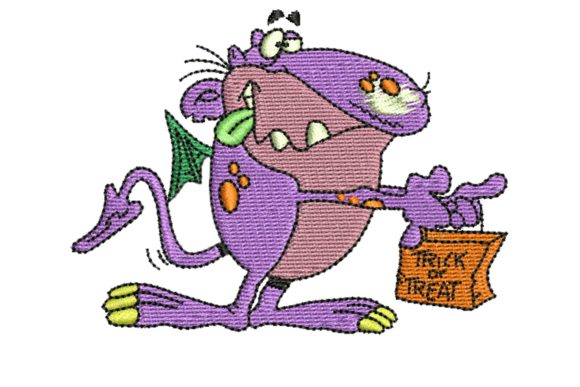
As an embroidery designer who has spent countless hours behind the hoop and even more time standing behind a craft fair table, I know that not every design translates into a bestseller. When I first loaded the Funny Monster file into my software, I was looking for that specific spark that turns a simple stitch-out into a must-have craft fair product. This design, described as excellent for creating Trick or Treat bags and sourced from Ron Leishman’s Toonaday collection, immediately struck me as a high-potential asset for the autumn season. It is not just about the stitches; it is about the story the design tells when it sits on a shelf next to hundreds of other handmade items.
First Impressions: Bold, Playful, and Market-Ready
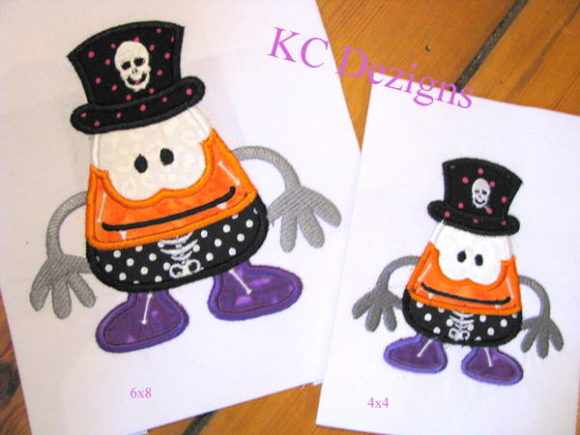
The initial visual impact of Funny Monster is undeniably cheerful. In a market saturated with spooky, gothic, or overly intricate Halloween motifs, this design offers a refreshing alternative. It feels cute, modern, and approachable. For an Etsy seller or a boutique maker, this distinction is crucial. Parents shopping for young children often shy away from scary imagery, preferring something whimsical that their kids will actually want to carry. The bold lines and expressive features suggest that this design will read well from a distance, a critical factor for booth display strength. It does not get lost in the noise of a busy craft fair aisle.
Product Versatility and Visual Appeal
The true test of any machine embroidery design is its versatility. Can it survive on different substrates? I evaluated how Funny Monster would perform across a standard lineup of handmade goods.
- Tote Bags and Market Bags: This is arguably the strongest application. A large-format stitch-out on a canvas tote creates an instant statement piece. The design’s playful nature pairs perfectly with the utility of a trick-or-treat bag, adding perceived value to a simple cotton canvas.
- Aprons and Tea Towels: For kitchen-themed holiday gifts, this design works as a charming accent. On an apron, it serves as a focal point without being overwhelming. However, on tea towels, one must be mindful of the fabric texture. Loopy terry cloth can distort fine details, so this design shines best on flat-woven linen or cotton blends.
- Embroidered Patches: Creating iron-on patches is a fantastic way to utilize smaller hoop sizes. The bold outlines of the monster ensure that the shape remains clear even when scaled down, making it an ideal small shop product for impulse buys.
- Caps and Pouches: While possible, curved surfaces like caps require careful digitizing checks. If the original embroidery file is not optimized for curvature, the design may pucker. Small pouches are a safer bet, offering a cute gift-with-purchase option.
Production Practicality for Batch Selling
For those of us running a business, time is money. A design that looks great but takes three hours to stitch is rarely profitable for low-cost items like tote bags. While I do not have the exact stitch count for this specific file, the visual simplicity of Funny Monster suggests a moderate stitch density. This is a positive indicator for batch production. Lower density means less thread breakage, faster run times, and reduced wear on your machine needles.
Photography is another key consideration. Designs with high contrast and clear shapes, like this monster, photograph beautifully for online listings. They create eye-catching printable mockup opportunities and look professional in digital storefronts. When customers scroll through hundreds of listings, a clean, recognizable character stands out more than a cluttered, complex scene.
Critical Design Notes and Careful Use
Despite its appeal, there are technical considerations every embroiderer must address before launching this as a commercial embroidery product. First, check the thread colors. The design likely relies on bright, saturated hues to convey its "funny" personality. Ensure you have high-quality rayon or polyester threads that match the vibrancy of the original clipart. Dull threads will make the monster look tired rather than lively.
Second, consider the background fabric. This design will pop on light-colored fabrics but may lose definition on dark materials unless you use a white underlay or choose thread colors with sufficient contrast. Always test the design on scrap fabric before committing to your final inventory. Check for gaps in coverage or excessive pull compensation that might distort the monster’s features.
Third, review the hoop size requirements. If you plan to sell large tote bags, ensure the design fits within your largest hoop without losing resolution. Conversely, if scaling down for patches, verify that small details do not merge into a blob of thread. Tiny lettering or intricate eyes can disappear if the design is reduced too aggressively.
Enhancing Brand Consistency and Buyer Engagement
Incorporating Funny Monster into your product line can strengthen your brand’s identity as fun, family-friendly, and high-quality. It invites interaction. At a craft fair, I have noticed that customers are more likely to pick up an item with a character they find amusing. It breaks the ice. This engagement often leads to longer browsing times and higher conversion rates.
To maximize this effect, coordinate your booth display. Use complementary colors in your table linens and signage that echo the monster’s palette. Create a cohesive look that ties the design assets to your overall brand aesthetic. This professionalism signals to buyers that they are purchasing a premium handmade product, not just a generic item.
Final Designer Recommendations
Before you begin mass production, take these practical steps:
- Verify Licensing: The description mentions Ron Leishman and Toonaday.com. It is imperative to confirm that your purchase of the digital embroidery file includes commercial rights for finished physical goods. Never assume; always read the license terms.
- Select the Right Stabilizer: For tote bags and aprons, a cut-away stabilizer provides the necessary support to prevent distortion over time. For patches, a tear-away might suffice, but test for stability.
- Create Real Mockups: Do not rely solely on digital previews. Stitch out one sample on each type of fabric you intend to sell. Compare how the design looks on cotton versus linen versus canvas.
- Check Stitch Density: If the design feels stiff after stitching, consider adjusting the density settings in your software if you have the editable version, or choose a lighter weight fabric to balance the heaviness of the thread.
In conclusion, Funny Monster is a strong contender for your Halloween inventory. It balances aesthetic appeal with production practicality. By paying attention to fabric choice, thread quality, and licensing, you can transform this digital asset into a top-selling finished product that delights customers and boosts your bottom line. Happy stitching!